Buy twot.eu ?
We are moving the project
twot.eu .
Are you interested in purchasing the domain
twot.eu ?
domain@kv-gmbh.de · 0541-91531010
Buy twot.eu ?
Is retaliation meaningful?
Retaliation can be meaningful in certain situations, such as in self-defense or in response to an injustice. It can serve as a deterrent to future harm and can help to restore a sense of justice and balance. However, retaliation can also perpetuate a cycle of violence and harm, and it is important to consider the potential consequences and ethical implications of retaliatory actions. Ultimately, the meaningfulness of retaliation depends on the specific circumstances and the intentions behind it. **
What does prevention and retaliation mean?
Prevention refers to the act of stopping something from happening before it occurs. In the context of conflict or harm, prevention involves taking proactive measures to avoid potential negative outcomes. On the other hand, retaliation refers to the act of responding to a harmful action with a corresponding harmful action. It is a form of retribution or revenge in response to a perceived wrongdoing. Both prevention and retaliation are strategies used in different contexts to address and manage potential harm or conflict. **


Similar search terms for Retaliation
Top-Angebote
Products related to Retaliation:
-
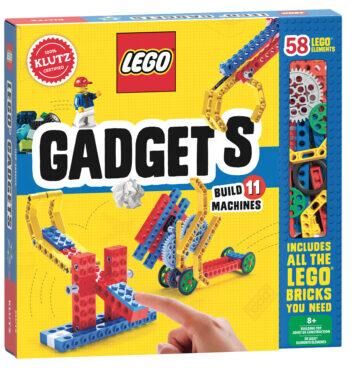
Klutz: LEGO GadgetsThis activity kit will have you building 11 machines including a gravity powered car and a wacky boxing robot. The fun doesn't stop once you've completed all of the projects in the book - open-ended prompts will inspire you to continue experimenting...24,99 $*Shipping: 0,00 $Secure redirect to the provider
-
What is the retaliation against bullies?
Retaliation against bullies can take many forms, including disciplinary action by authorities, such as school administrators or employers, to address the behavior. In some cases, legal action may be taken if the bullying behavior constitutes a crime. Additionally, there are also support systems in place for the victims of bullying, such as counseling and therapy, to help them cope with the emotional and psychological impact of the bullying. Ultimately, the goal of retaliation against bullies is to stop the harmful behavior and provide support for those who have been affected by it. **
-
How do you carry out a retaliation?
Retaliation should never be the first course of action in any situation. It is important to first assess the situation, understand the motives behind the perceived attack, and consider the potential consequences of retaliating. If retaliation is deemed necessary, it should be done in a strategic and calculated manner, taking into account the potential impact on all parties involved. It is important to remain calm, rational, and focused on achieving a resolution rather than escalating the conflict further. **
-
Can this be seen as a retaliation?
It is possible that this could be seen as a retaliation, as the action taken by one party may be in response to a perceived wrong or injustice committed by the other party. However, it is important to consider the specific circumstances and motivations behind the action before making a definitive judgment. Retaliation often involves a desire to seek revenge or retribution, so it is important to carefully evaluate the intentions and consequences of the action in question. **
-
What is the difference between revenge and retaliation?
Revenge is typically driven by a desire for personal satisfaction or retribution, often involving a more emotional response to a perceived wrongdoing. It is often seen as more vindictive and focused on inflicting harm on the other party. Retaliation, on the other hand, is a more calculated response to an action or offense, aimed at restoring balance or seeking justice. It is often seen as a more measured and strategic action taken in response to a specific incident. **
What does retaliation mean in the context of punishment?
Retaliation in the context of punishment refers to the act of seeking revenge or retribution for a perceived wrong or harm. It involves responding to an offense or wrongdoing with a corresponding punishment or harm in return. Retaliation can be a form of punishment that aims to inflict suffering or consequences on the offender as a way of balancing the scales or seeking justice for the initial harm. However, retaliation can also perpetuate a cycle of harm and conflict, and may not always lead to resolution or restoration. **
To which topic can prevention and retaliation be assigned?
Prevention and retaliation can be assigned to the topic of conflict resolution and management. In the context of conflict, prevention strategies aim to identify and address potential sources of conflict before they escalate, while retaliation strategies involve responding to conflict or aggression in a way that seeks to restore balance and deter future aggression. Both prevention and retaliation are important components of effectively managing and resolving conflicts in various settings, such as interpersonal relationships, organizations, and international diplomacy. **
Top-Angebote
Products related to Retaliation:
-
Lush Living Finds Perforated Brick Assembly Toy Accessories With Technology Mechanical Wheels Perforated Brick Assembly Toy Accessories With Technology Mechanical WheelsEnhance Creativity with Technology Mechanical Wheels Unlock the power of innovation with our technology mechanical wheels, designed specifically for perforated brick assembly toy accessories. Whether you are a hobbyist or a seasoned builder, these...43,97 $*Shipping: 0,00 $Secure redirect to the provider
-
Anker PowerPort 60 W 6-Port Family-Sized Desktop USB Charger with PowerIQ Technology for Smartphones - White, NewThe Anker Advantage: Join the 10 million+ powered by Amazon's leading charging brand. Fast Charging Technology: PowerIQ and VoltageBoost combine to provide the fastest possible charge up to 2.4 amps per port or 12 amps overall (Qualcomm Quick Charge 2.0 not supported. For QC 2.0 charging, please see Anker's 18W USB Wall Charger). Ultra Powerful: 6 ports pump out 60 watts of power, enabling simultaneous multi-device charging. Certified Safe: Anker's MultiProtect safety system and UL certification ensure complete protection for you and your devices. Worldwide 100-240 volt AC input voltage What You Get: Anker PowerPort 6 (60W 6-Port USB Charging Hub), 5ft / 150cm detachable power cord, welcome guide, our fan-favorite 18-month warranty and friendly customer service.. Brand Anker Connectivity technology USB Connector type USB Type C Compatible devices Smartphones, Tablets, Laptop Compatible phone models All Smartphones Included components USB Cable Cable length 5 Feet Special feature Lightweight Design, Travel, Fast Charging Colour White Input voltage 100 Volts49,99 £*Shipping: 0,00 £Secure redirect to the provider
-
Klutz: LEGO GadgetsThis activity kit will have you building 11 machines including a gravity powered car and a wacky boxing robot. The fun doesn't stop once you've completed all of the projects in the book - open-ended prompts will inspire you to continue experimenting...24,99 $*Shipping: 0,00 $Secure redirect to the provider
-
Is retaliation meaningful?
Retaliation can be meaningful in certain situations, such as in self-defense or in response to an injustice. It can serve as a deterrent to future harm and can help to restore a sense of justice and balance. However, retaliation can also perpetuate a cycle of violence and harm, and it is important to consider the potential consequences and ethical implications of retaliatory actions. Ultimately, the meaningfulness of retaliation depends on the specific circumstances and the intentions behind it. **
-
What does prevention and retaliation mean?
Prevention refers to the act of stopping something from happening before it occurs. In the context of conflict or harm, prevention involves taking proactive measures to avoid potential negative outcomes. On the other hand, retaliation refers to the act of responding to a harmful action with a corresponding harmful action. It is a form of retribution or revenge in response to a perceived wrongdoing. Both prevention and retaliation are strategies used in different contexts to address and manage potential harm or conflict. **
-
What is the retaliation against bullies?
Retaliation against bullies can take many forms, including disciplinary action by authorities, such as school administrators or employers, to address the behavior. In some cases, legal action may be taken if the bullying behavior constitutes a crime. Additionally, there are also support systems in place for the victims of bullying, such as counseling and therapy, to help them cope with the emotional and psychological impact of the bullying. Ultimately, the goal of retaliation against bullies is to stop the harmful behavior and provide support for those who have been affected by it. **
-
How do you carry out a retaliation?
Retaliation should never be the first course of action in any situation. It is important to first assess the situation, understand the motives behind the perceived attack, and consider the potential consequences of retaliating. If retaliation is deemed necessary, it should be done in a strategic and calculated manner, taking into account the potential impact on all parties involved. It is important to remain calm, rational, and focused on achieving a resolution rather than escalating the conflict further. **
Similar search terms for Retaliation
-
Can this be seen as a retaliation?
It is possible that this could be seen as a retaliation, as the action taken by one party may be in response to a perceived wrong or injustice committed by the other party. However, it is important to consider the specific circumstances and motivations behind the action before making a definitive judgment. Retaliation often involves a desire to seek revenge or retribution, so it is important to carefully evaluate the intentions and consequences of the action in question. **
-
What is the difference between revenge and retaliation?
Revenge is typically driven by a desire for personal satisfaction or retribution, often involving a more emotional response to a perceived wrongdoing. It is often seen as more vindictive and focused on inflicting harm on the other party. Retaliation, on the other hand, is a more calculated response to an action or offense, aimed at restoring balance or seeking justice. It is often seen as a more measured and strategic action taken in response to a specific incident. **
-
What does retaliation mean in the context of punishment?
Retaliation in the context of punishment refers to the act of seeking revenge or retribution for a perceived wrong or harm. It involves responding to an offense or wrongdoing with a corresponding punishment or harm in return. Retaliation can be a form of punishment that aims to inflict suffering or consequences on the offender as a way of balancing the scales or seeking justice for the initial harm. However, retaliation can also perpetuate a cycle of harm and conflict, and may not always lead to resolution or restoration. **
-
To which topic can prevention and retaliation be assigned?
Prevention and retaliation can be assigned to the topic of conflict resolution and management. In the context of conflict, prevention strategies aim to identify and address potential sources of conflict before they escalate, while retaliation strategies involve responding to conflict or aggression in a way that seeks to restore balance and deter future aggression. Both prevention and retaliation are important components of effectively managing and resolving conflicts in various settings, such as interpersonal relationships, organizations, and international diplomacy. **
* All prices are inclusive of VAT and, if applicable, plus shipping costs. The offer information is based on the details provided by the respective shop and is updated through automated processes. Real-time updates do not occur, so deviations can occur in individual cases. ** Note: Parts of this content were created by AI.