Buy twot.eu ?
We are moving the project
twot.eu .
Are you interested in purchasing the domain
twot.eu ?
domain@kv-gmbh.de · 0541-91531010
Buy twot.eu ?
What is the grandfather paradox and what is the father paradox?
The grandfather paradox is a theoretical scenario in time travel where a person travels back in time and inadvertently prevents their grandparents from meeting, thus preventing the person's own birth. This creates a paradox because if the person was never born, they could not have traveled back in time to prevent their grandparents from meeting in the first place. The father paradox is a similar concept where a time traveler goes back in time and prevents their own father from meeting their mother, thus preventing their own birth. This paradox also raises questions about the possibility of altering one's own existence through time travel and the resulting contradictions that arise. Both paradoxes highlight the complexities and logical inconsistencies that can arise in theories of time travel. **
Why is Alan Harper so unpopular?
Alan Harper is unpopular because he is often portrayed as a socially awkward, needy, and bumbling character on the television show "Two and a Half Men." His constant need for approval and validation, coupled with his lack of success in both his personal and professional life, can make him come across as annoying and pitiful to some viewers. Additionally, his tendency to mooch off his brother and make poor decisions further contributes to his unpopularity among fans of the show. **
Similar search terms for Harper-The-Plant-Paradox
Top-Angebote
Products related to Harper-The-Plant-Paradox:
-
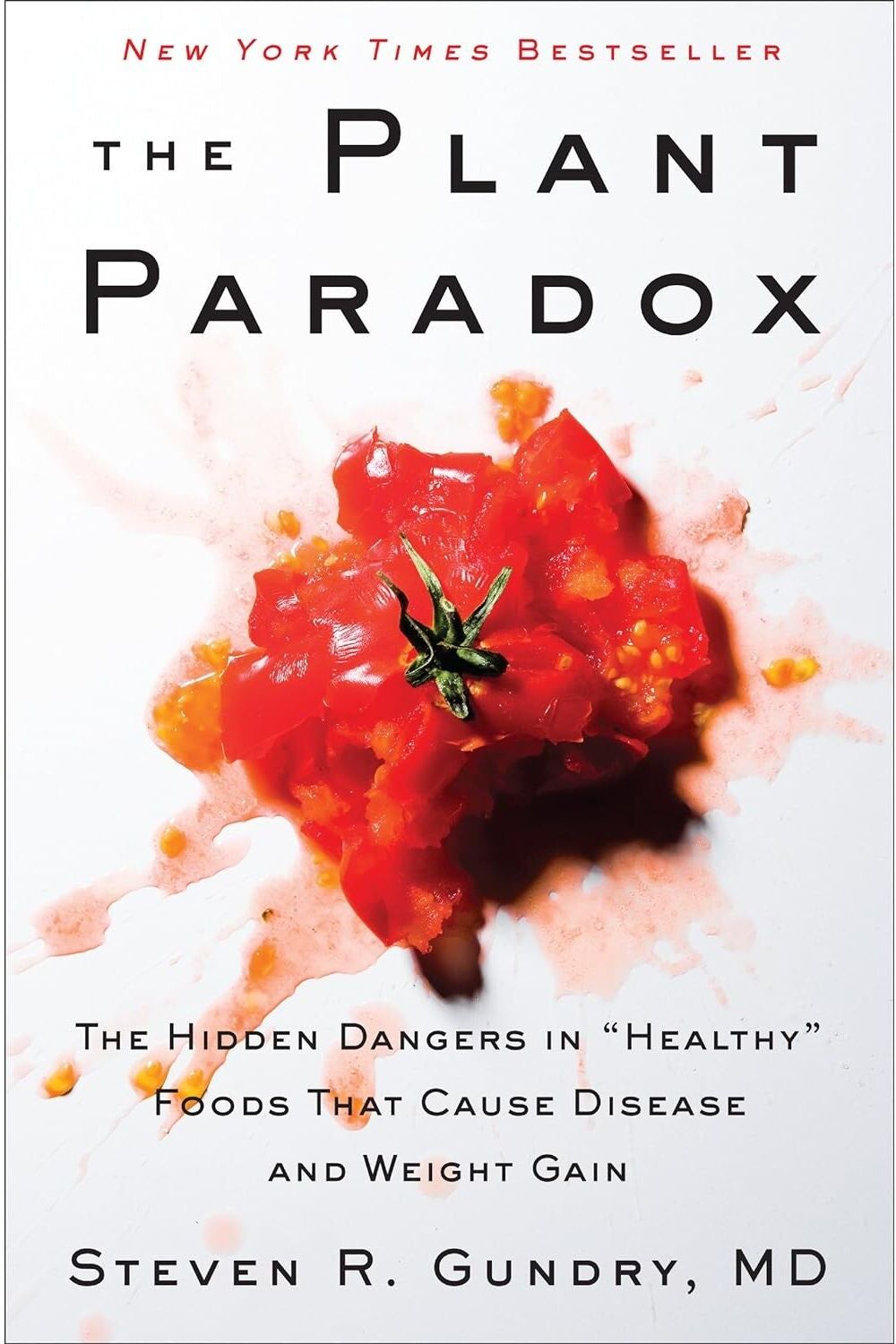
Harper The Plant Paradox: The Hidden Dangers in Healthy Foods That Cause Disease and Weight GainFrom renowned cardiac surgeon Steven R. Gundry, MD, the New York Times bestselling The Plant Paradox is arevolutionary look at the hidden compounds in "healthy" foods like fruit, vegetables, and whole grains that are causing us to gain weight and develop chronic disease. Most of us have heard of gluten—a protein found in wheat that causes widespread inflammation in the body. Americans spend billions of dollars on gluten-free diets in an effort to protect their health. But what if we’ve been missing the root of the problem? In The Plant Paradox, renowned cardiologist Dr. Steven Gundry reveals that gluten is just one variety of a common, and highly toxic, plant-based protein called lectin. Lectins are found not only in grains like wheat but also in the “gluten-free” foods most of us commonly regard as healthy, including many fruits, vegetables, nuts, beans, and conventional dairy products. These proteins, which are found in the seeds, grains, skins, rinds, and leaves of plants, are designed by nature to protect them from predators (including humans). Once ingested, they incite a kind of chemical warfare in our bodies, causing inflammatory reactions that can lead to weight gain and serious health conditions. At his waitlist-only clinics in California, Dr. Gundry has successfully treated tens of thousands of patients suffering from autoimmune disorders, diabetes, leaky gut syndrome, heart disease, and neurodegenerative diseases with a protocol that detoxes the cells, repairs the gut, and nourishes the body. Now, in The Plant Paradox, he shares this clinically proven program with readers around the world. The simple (and daunting) fact is, lectins are everywhere. Thankfully, Dr. Gundry offers simple hacks we easily can employ to avoid them, including: Peel your veggies. Most of the lectins are contained in the skin and seeds of plants; simply peeling and de-seeding vegetables (like tomatoes and peppers) reduces their lectin content. Shop for fruit in season. Fruit contain fewer lectins when ripe, so eating apples, berries, and other lectin-containing fruits at the peak of ripeness helps minimize your lectin consumption. Swap your brown rice for white. Whole grains and seeds with hard outer coatings are designed by nature to cause digestive distress—and are full of lectins. With a full list of lectin-containing foods and simple substitutes for each, a step-by-step detox and eating plan, and delicious lectin-free recipes, The Plant Paradox illuminates the hidden dangers lurking in your salad bowl—and shows you how to eat whole foods in a whole new way.6,99 £*Shipping: 2,99 £Secure redirect to the provider
-
How rich is Charlie Harper actually?
Charlie Harper, the fictional character from the TV show Two and a Half Men, is depicted as being extremely wealthy. He is portrayed as a successful jingle writer and owns a luxurious beachfront house in Malibu. Additionally, he drives expensive cars and is able to afford a lavish lifestyle without much concern for money. While his exact net worth is not specified, it is clear that he is very wealthy. **
-
What is the death of Charlie Harper like?
The death of Charlie Harper in the TV show "Two and a Half Men" is portrayed as sudden and unexpected. It is revealed that he died after being hit by a train in Paris, and his body was completely destroyed. The circumstances surrounding his death are shrouded in mystery, and the characters are left to grapple with the shock and disbelief of his passing. The death of Charlie Harper is a pivotal moment in the show, leading to significant changes in the storyline and the dynamics of the characters. **
-
What is the Christian paradox?
The Christian paradox refers to the idea that in order to gain one's life, they must first lose it. This concept is based on the teachings of Jesus in the Bible, where he emphasizes the importance of selflessness, humility, and sacrifice. It highlights the idea that true fulfillment and purpose in life come from serving others and putting their needs above our own. The Christian paradox challenges individuals to go against the norms of society that prioritize self-interest and instead embrace a life of love, compassion, and service to others. **
-
What is the Raven Paradox?
The Raven Paradox is a thought experiment that challenges our understanding of inductive reasoning. It was formulated by the philosopher Carl Gustav Hempel in 1945. The paradox arises from the observation that confirming instances (e.g. seeing a black raven) do not necessarily provide evidence for a general hypothesis (e.g. all ravens are black). This challenges the traditional view that confirming instances increase the probability of a hypothesis being true. The paradox highlights the complexities of inductive reasoning and the limitations of drawing general conclusions from specific observations. **
What is the mirror paradox?
The mirror paradox is a philosophical concept that explores the nature of reflection and perception. It raises the question of whether a mirror image is a true reflection of reality or a distorted representation. On one hand, the mirror accurately reflects the physical appearance of an object or person, but on the other hand, it presents a reversed image. This paradox challenges our understanding of perception and raises questions about the nature of reality and how we interpret it. **
What is the omnipotence paradox?
The omnipotence paradox is a philosophical problem that arises from the concept of omnipotence, or the ability to do anything. The paradox questions whether an omnipotent being could create a task that it is unable to perform. If the being can create such a task and then cannot perform it, it would not be truly omnipotent. However, if the being cannot create such a task, then it is also not truly omnipotent. This paradox has been debated by theologians, philosophers, and scholars for centuries, and it raises important questions about the nature of omnipotence and the limits of divine power. **
Top-Angebote
Products related to Harper-The-Plant-Paradox:
-
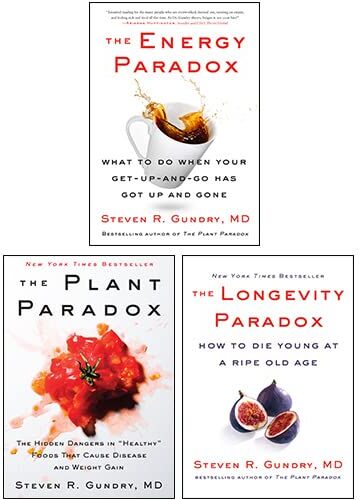
Harper Dr. Steven R Gundry MD 3 Books Collection Set (The Plant Paradox, The Longevity Paradox & The Energy Paradox)Dr. Steven R Gundry MD 3 Books Collection Set (The Plant Paradox, The Longevity Paradox & The Energy Paradox): The Plant Paradox: In The Plant Paradox, renowned cardiologist Dr. Steven Gundry reveals that gluten is just one variety of a common, and highly toxic, plant-based protein called lectin. Lectins are found not only in grains like wheat but also in the “gluten-free” foods most of us commonly regard as healthy, including many fruits, vegetables, nuts, beans, and conventional dairy products. These proteins, which are found in the seeds, grains, skins, rinds, and leaves of plants, are designed by nature to protect them from predators (including humans). The Longevity Paradox: This groundbreaking book holds the answer. Working with thousands of patients, Dr. Gundry has discovered that the “diseases of aging” we most fear are not simply a function of age; rather, they are a byproduct of the way we have lived over the decades. In The Longevity Paradox, he maps out a new approach to aging well—one that is based on supporting the health of the “oldest” parts of us: the microorganisms that live within our bodies. The Energy Paradox: In The Energy Paradox, Dr. Gundry expands upon his previous discussions of gut, microbiome, and mitochondrial health, linking immune malfunction to the mental and physical symptoms of fatigue—including exhaustion, brain fog, depression, anxiety, and low metabolism. As Dr. Gundry explains, feeling tired, moody, and zapped of energy is not normal, no matter your workload or age. Fatigue is an SOS flare from the body, one that is intended to alert us that something is wrong.18,99 £*Shipping: 2,99 £Secure redirect to the provider
-
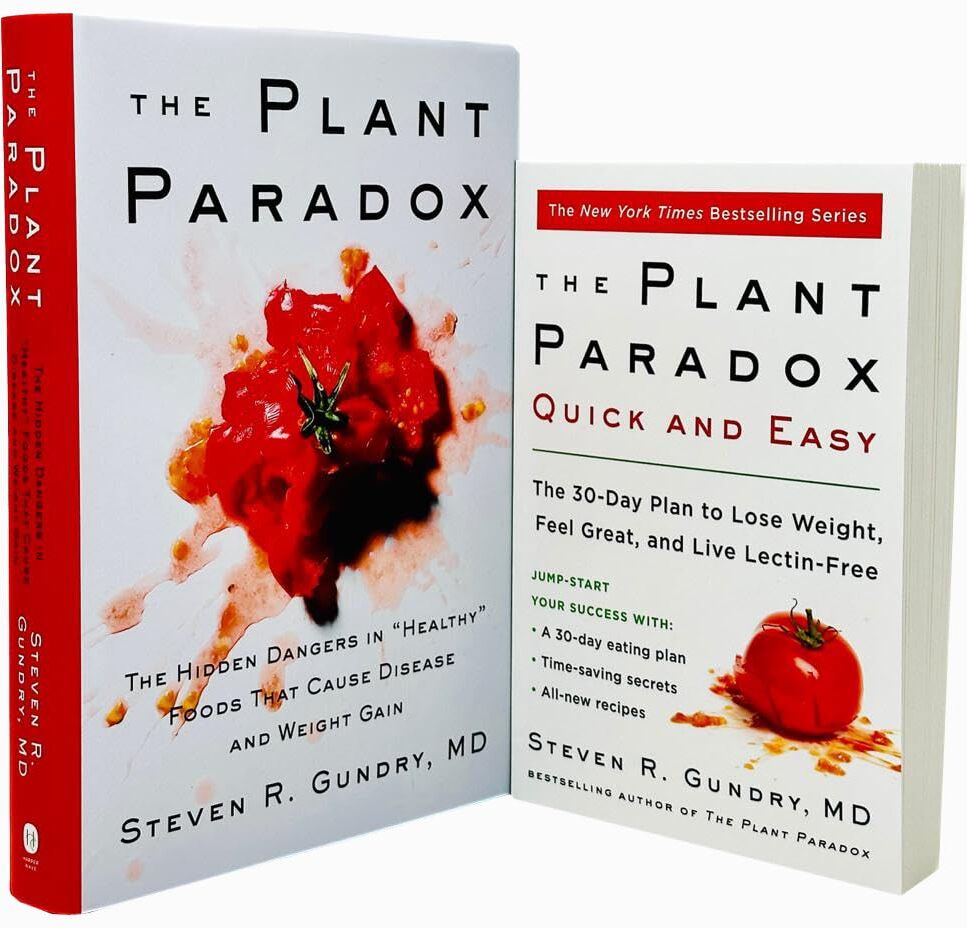
Harper The Plant Paradox & The Plant Paradox Quick and Easy 2 Book Collection Set by Steven R. Gundry – 30-Day Diet Plan & Health GuideThe Plant Paradox Series 2 Books Collection Set By Dr. Steven R Gundry MD (The Plant Paradox [Hardcover] & The Plant Paradox Quick and Easy: The 30-Day Plan to Lose Weight, Feel Great, and Live Lectin-Free): The Plant Paradox [Hardcover]: In The Plant Paradox, renowned cardiologist Dr. Steven Gundry reveals that gluten is just one variety of a common, and highly toxic, plant-based protein called lectin. Lectins are found not only in grains like wheat but also in the “gluten-free” foods most of us commonly regard as healthy, including many fruits, vegetables, nuts, beans, and conventional dairy products. These proteins, which are found in the seeds, grains, skins, rinds, and leaves of plants, are designed by nature to protect them from predators (including humans). Once ingested, they incite a kind of chemical warfare in our bodies, causing inflammatory reactions that can lead to weight gain and serious health conditions. The Plant Paradox Quick and Easy: In Dr. Steven Gundry’s breakout bestseller The Plant Paradox, readers learned the surprising truth about foods that have long been regarded as healthy. Lectins—a type of protein found in fruits, vegetables, legumes, dairy, and grains—wreak havoc on the gut, creating systemic inflammation and laying the groundwork for disease and weight gain. Avoiding lectins offers incredible health benefits but requires a significant lifestyle change—one that, for many people, can feel overwhelming.Now, in The Plant Paradox Quick and Easy, Dr. Gundry makes it simpler than ever to go lectin free. His 30-day challenge offers incentives, support, and results along with a toolkit for success.12,99 £*Shipping: 2,99 £Secure redirect to the provider
-
Harper The Plant Paradox: The Hidden Dangers in Healthy Foods That Cause Disease and Weight GainFrom renowned cardiac surgeon Steven R. Gundry, MD, the New York Times bestselling The Plant Paradox is arevolutionary look at the hidden compounds in "healthy" foods like fruit, vegetables, and whole grains that are causing us to gain weight and develop chronic disease. Most of us have heard of gluten—a protein found in wheat that causes widespread inflammation in the body. Americans spend billions of dollars on gluten-free diets in an effort to protect their health. But what if we’ve been missing the root of the problem? In The Plant Paradox, renowned cardiologist Dr. Steven Gundry reveals that gluten is just one variety of a common, and highly toxic, plant-based protein called lectin. Lectins are found not only in grains like wheat but also in the “gluten-free” foods most of us commonly regard as healthy, including many fruits, vegetables, nuts, beans, and conventional dairy products. These proteins, which are found in the seeds, grains, skins, rinds, and leaves of plants, are designed by nature to protect them from predators (including humans). Once ingested, they incite a kind of chemical warfare in our bodies, causing inflammatory reactions that can lead to weight gain and serious health conditions. At his waitlist-only clinics in California, Dr. Gundry has successfully treated tens of thousands of patients suffering from autoimmune disorders, diabetes, leaky gut syndrome, heart disease, and neurodegenerative diseases with a protocol that detoxes the cells, repairs the gut, and nourishes the body. Now, in The Plant Paradox, he shares this clinically proven program with readers around the world. The simple (and daunting) fact is, lectins are everywhere. Thankfully, Dr. Gundry offers simple hacks we easily can employ to avoid them, including: Peel your veggies. Most of the lectins are contained in the skin and seeds of plants; simply peeling and de-seeding vegetables (like tomatoes and peppers) reduces their lectin content. Shop for fruit in season. Fruit contain fewer lectins when ripe, so eating apples, berries, and other lectin-containing fruits at the peak of ripeness helps minimize your lectin consumption. Swap your brown rice for white. Whole grains and seeds with hard outer coatings are designed by nature to cause digestive distress—and are full of lectins. With a full list of lectin-containing foods and simple substitutes for each, a step-by-step detox and eating plan, and delicious lectin-free recipes, The Plant Paradox illuminates the hidden dangers lurking in your salad bowl—and shows you how to eat whole foods in a whole new way.6,99 £*Shipping: 2,99 £Secure redirect to the provider
-
What is the grandfather paradox and what is the father paradox?
The grandfather paradox is a theoretical scenario in time travel where a person travels back in time and inadvertently prevents their grandparents from meeting, thus preventing the person's own birth. This creates a paradox because if the person was never born, they could not have traveled back in time to prevent their grandparents from meeting in the first place. The father paradox is a similar concept where a time traveler goes back in time and prevents their own father from meeting their mother, thus preventing their own birth. This paradox also raises questions about the possibility of altering one's own existence through time travel and the resulting contradictions that arise. Both paradoxes highlight the complexities and logical inconsistencies that can arise in theories of time travel. **
-
Why is Alan Harper so unpopular?
Alan Harper is unpopular because he is often portrayed as a socially awkward, needy, and bumbling character on the television show "Two and a Half Men." His constant need for approval and validation, coupled with his lack of success in both his personal and professional life, can make him come across as annoying and pitiful to some viewers. Additionally, his tendency to mooch off his brother and make poor decisions further contributes to his unpopularity among fans of the show. **
-
How rich is Charlie Harper actually?
Charlie Harper, the fictional character from the TV show Two and a Half Men, is depicted as being extremely wealthy. He is portrayed as a successful jingle writer and owns a luxurious beachfront house in Malibu. Additionally, he drives expensive cars and is able to afford a lavish lifestyle without much concern for money. While his exact net worth is not specified, it is clear that he is very wealthy. **
-
What is the death of Charlie Harper like?
The death of Charlie Harper in the TV show "Two and a Half Men" is portrayed as sudden and unexpected. It is revealed that he died after being hit by a train in Paris, and his body was completely destroyed. The circumstances surrounding his death are shrouded in mystery, and the characters are left to grapple with the shock and disbelief of his passing. The death of Charlie Harper is a pivotal moment in the show, leading to significant changes in the storyline and the dynamics of the characters. **
Similar search terms for Harper-The-Plant-Paradox
-
What is the Christian paradox?
The Christian paradox refers to the idea that in order to gain one's life, they must first lose it. This concept is based on the teachings of Jesus in the Bible, where he emphasizes the importance of selflessness, humility, and sacrifice. It highlights the idea that true fulfillment and purpose in life come from serving others and putting their needs above our own. The Christian paradox challenges individuals to go against the norms of society that prioritize self-interest and instead embrace a life of love, compassion, and service to others. **
-
What is the Raven Paradox?
The Raven Paradox is a thought experiment that challenges our understanding of inductive reasoning. It was formulated by the philosopher Carl Gustav Hempel in 1945. The paradox arises from the observation that confirming instances (e.g. seeing a black raven) do not necessarily provide evidence for a general hypothesis (e.g. all ravens are black). This challenges the traditional view that confirming instances increase the probability of a hypothesis being true. The paradox highlights the complexities of inductive reasoning and the limitations of drawing general conclusions from specific observations. **
-
What is the mirror paradox?
The mirror paradox is a philosophical concept that explores the nature of reflection and perception. It raises the question of whether a mirror image is a true reflection of reality or a distorted representation. On one hand, the mirror accurately reflects the physical appearance of an object or person, but on the other hand, it presents a reversed image. This paradox challenges our understanding of perception and raises questions about the nature of reality and how we interpret it. **
-
What is the omnipotence paradox?
The omnipotence paradox is a philosophical problem that arises from the concept of omnipotence, or the ability to do anything. The paradox questions whether an omnipotent being could create a task that it is unable to perform. If the being can create such a task and then cannot perform it, it would not be truly omnipotent. However, if the being cannot create such a task, then it is also not truly omnipotent. This paradox has been debated by theologians, philosophers, and scholars for centuries, and it raises important questions about the nature of omnipotence and the limits of divine power. **
* All prices are inclusive of VAT and, if applicable, plus shipping costs. The offer information is based on the details provided by the respective shop and is updated through automated processes. Real-time updates do not occur, so deviations can occur in individual cases. ** Note: Parts of this content were created by AI.